Wood pellets explained
Wood pellets are a compressed biomass fuel made from dry wood residues such as sawdust and shavings. They are used in pellet stoves, pellet boilers and larger commercial heating systems.
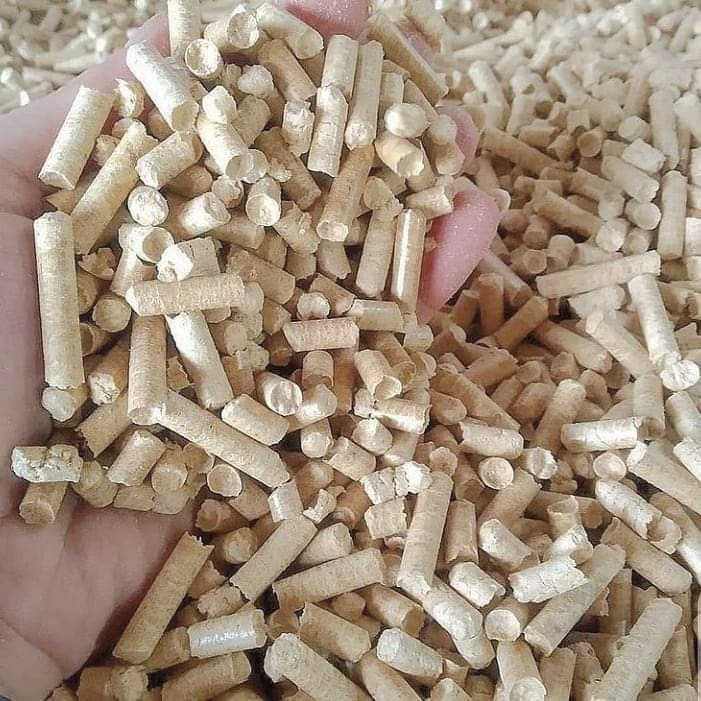
How wood pellets are made
Wood residues are dried, ground and pressed through a die under pressure. The natural lignin in the wood binds the pellet together, so no glue is required in standard pellet production. The result is a dense, uniform cylinder — typically 6 mm in diameter — with low moisture content.
What A1 pellet grade means
A1 is the highest grade in the common EN ISO 17225-2 classification for residential wood pellets. A1 pellets have the tightest limits on ash content and moisture, which usually means cleaner burning and less frequent cleaning of your appliance. A2 and B grades allow higher ash content and are more often used in industrial appliances.
Heating performance
Wood pellets typically deliver in the region of 4.6–5.0 kWh per kilogram, depending on the batch and moisture content. Actual output depends on your appliance, its settings and how well it is maintained. Always check the pellet specification recommended by your appliance manufacturer.
How much do you need?
Consumption depends on the size of the space, insulation, outdoor temperature and how long the appliance runs. As a rough planning figure, a domestic pellet stove used daily through the heating season often consumes between one and three tonnes per season. We are happy to help you estimate a suitable quantity for your situation.
Storage
Keep pellets dry, off the ground and away from direct contact with walls. Damp pellets swell, crumble and can block the feed system. Bagged pellets should stay sealed until use; bulk bags should be stored under cover in a ventilated space.